Prevention is best strategy for resistant weed management

What is in this article?:

  • Identification of glyphosate resistance in the Texas High Plains is recent—2011.
  • Dealing with Palmer amaranth—pigweed—is nothing new for the Texas High Plains.
  • Most High Plains farmers relied on preplant incorporated herbicides before the Roundup Ready era.

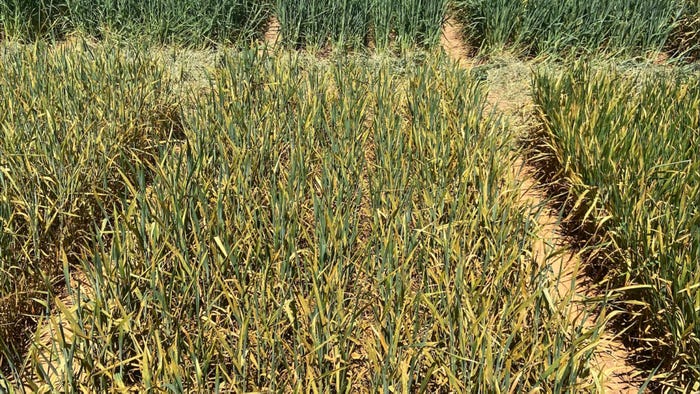
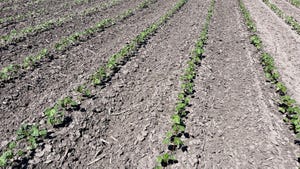
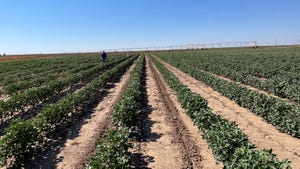
Some of these weeds died as a result of spray application. The live plants also received the same spray application and are examples of resistant weeds.

(Photo byScott Russell, Texas AgriLife Extension IPM agent for Terry and Yoakum counties.)

Dealing with Palmer amaranth—pigweed—is nothing new for the Texas High Plains. It’s always claimed the number one spot on the list of weed problems for cotton farmers.

So developing a program to deal with glyphosate resistant pigweed should not become the nightmare that has bedeviled cotton and soybean farmers in the Mid-South and the Southeast, says Wayne Keeling, Texas AgriLife agronomist and weed scientist who works out of the Lubbock Research and Extension Center.

Keeling discussed resistant-weed management recently at the South Plains Ag Conference and Trade Show in Brownfield. Morningglory and Russian thistle also claim spots near the top of the most troublesome weed list for High Plains producers.

“Johnsongrass is not as much of a problem in the High Plains anymore,” he said.

Keeling said most farmers (91 percent) in the region relied on preplant incorporated herbicides before the Roundup Ready era. Also, 20 percent used a pre-emergence herbicide and 40 percent spot-sprayed and almost everyone cultivated to control weeds.

“Yellow herbicides and cultivation were the keys,” Keeling said.

Adoption of Roundup Ready technology offered significant benefits to High Plains farmers, he said. “We greatly reduced silverleaf nightshade, for instance. Roundup Ready accomplished a lot of good, but we may have become too reliant on Roundup.” That reliance selected for resistant pigweed survival. “And pigweed produces a lot of seed. But the good news is we can control pigweed. We have a lot of good cotton herbicides.”

Identification of glyphosate resistance in the Texas High Plains is recent—2011. “They identified glyphosate-resistant Palmer amaranth in the Mid-South five or six years ago,” he said. “Farmers in the High Plains had been doing a lot of things right during that time, but we did see resistance begin to show up in 2011. We collected seed from some escapes, grew them out in the greenhouse and treated them with Roundup. At two times the recommended rate, we observed almost no control.

“We also asked for farmers to collect samples of suspected resistant pigweed. We got 12 samples from four or five counties and determined that eight of those samples were resistant. In 2012, we received more and more reports of weeds that farmers couldn’t kill.”

Discuss this Article 0

Post new comment
Sign In or register to use your Southwest Farm Press ID

(optional)

Continuing Education Courses
This CE course is accredited for hours in Texas, Oklahoma and New Mexico. The content focuses...
New Course
The 2,000 member Weed Science Society of America’s (WSSA) Herbicide Resistance Action...
New Course
The course details six of the primary diseases affecting citrus: Huanglongbing (Citrus...

Newsletter Signup