In spite of deep budget cuts, research and Extension fulfills mission

What is in this article?:

  • Texas AgriLife expects budget cuts
  • Missions will continue, say administrators
  • Looking for efficiencies

In spite of anticipated deep budget cuts from both the State of Texas and the federal government, Texas AgriLife Research and Extension, as well as the Texas Forest Service and Texas Veterinary Medical Diagnostic Laboratory — all part of the Texas A&M University System — will continue to serve the state’s farmers, ranchers, landowners and consumers as they always have.

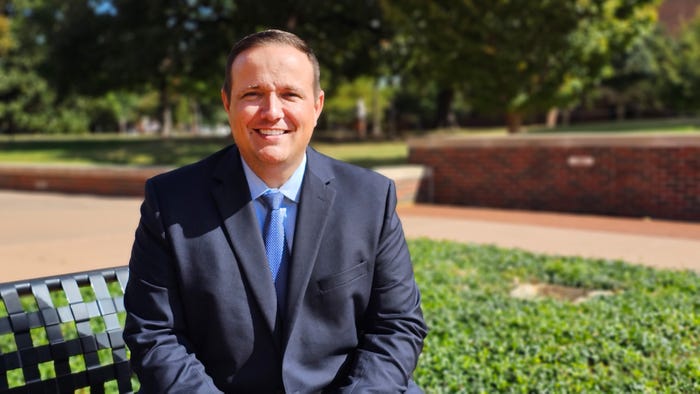
Mark Hussey, vice chancellor and dean, Texas A&M College of Agriculture and Life Sciences, expects as much as a 16 percent budget reduction from the state and a possible 10 percent or greater cut in federal funding.

Along with Director of AgriLife Extension Ed Smith and Director of AgriLife Research Craig Nessler, Hussey recently discussed with Southwest Farm Press the challenges faced with budget reductions.

“These cuts will create challenges as we go forward,” he says. “But the mission of (Texas A&M AgriLife) agriculture will stay the same and we will continue to fulfill that mission.”

Hussey says he’s working with all four divisions to find ways to streamline programs and increaseefficiency. “We’re making certain we communicate with each other,” and are looking for ways to cooperate “as we have always done. We will work to insure a minimal impact on food, feed and fiber production.”

Hussey says reductions, insofar as possible, will be “across the board,” instead of targeted to specific programs.

Nessler says some research programs may be re-examined to determine if they remain cost-effective and necessary for production agriculture in the state.

“We know we face a reduction in funding,” Smith says. The options are to increase income or make cuts, but, “A tax increase is not expected.”

He says absorbing deep cuts will affect operations but not the overall mission. “We can’t absorb these cuts without hurting our infrastructure. And 90 percent of our budget goes to personnel.”

He hopes to minimize personnel losses as much as possible by altering the way Extension delivers programs and services.

“We will request that some constituents pay a very modest fee for educational programs,” Smith says. He emphasizes that fees will be “very modest,” and will not come close to recouping the cost of an Extension seminar or conference. Those fees, he says, will help maintain the level of education programs to which farmers, ranchers and urban users have been accustomed.

Discuss this article 0

Post new comment
Sign In or register to use your Southwest Farm Press ID

(optional)
Connect With Us
Continuing Education Courses
New Course
The course details six of the primary diseases affecting citrus: Huanglongbing (Citrus...
Potassium nitrate has a positive effect in controlling plant pests and diseases when applied...
This online CE course details sound mechanical irrigation design and management practices to...
n/a