2011 Plant Protection Association conference addresses future global food production

What is in this article?:

  • 2011 Plant Protection Association conference addresses future global food production
  • Aflatoxin
  • Todd Staples, Texas commissioner of agriculture, told attendees that 2011 has been a year of trying times for the state’s farmers and ranchers, crippled by a historic drought and billions in economic losses.
  • Dr. David Lunt, associate director of Texas AgriLife Research, said during conference opening remarks that the world population has exceeded more than 7 billion people.
  • Since the one sample aflatoxin test began, Herrman said tests have gone from a 60 percent deviation to 23 percent current deviation on test results.


More About:

TEXAS COMMISSIONER OF AGRICULTURE, Todd Staples, left, chats with Neal Pratt, retired Texas Extension specialist, at the Texas plant Protection Association annual conference in College Station, Texas.

Experts at the recent Texas Plant Protection Association Conference stressed the importance of science and technology used to develop future drought-resistant crops and produce higher yields.

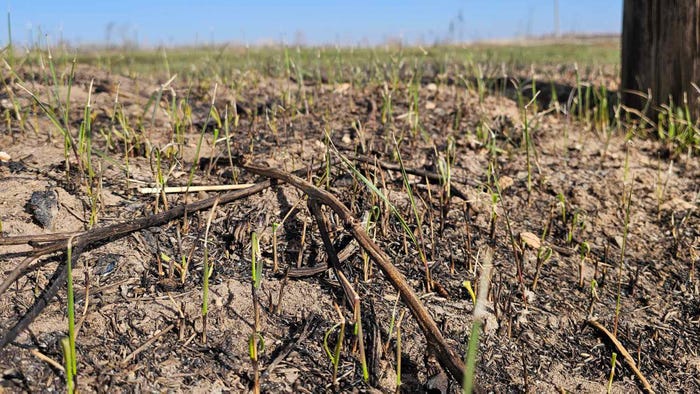
Todd Staples, Texas commissioner of agriculture, told attendees that 2011 has been a year of trying times for the state’s farmers and ranchers, crippled by a historic drought and billions in economic losses.

Prior to addressing conference attendees, he told reporters that Texas agriculture producers “are resilient and they will find a way to make it through. They know the game isn’t won or lost in one inning or one season.”

During his keynote, Staples emphasized the need for science and innovation to develop drought-tolerant seed to boost yields.

“Americans don’t want to be dependent on foreign oil; they (also) don’t want to be dependent on foreign food,” he said.

Staples said the average age of an agricultural producer is 59 years old and producing food and fiber is a “very capital intensive business.”

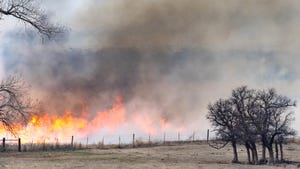
“You are fighting drought, wildfire, pests and diseases,” he said. “We must do everything to produce future outcomes.”

He said getting educational information out about the latest innovations in science and research related agricultural production to producers is critical.

In some parts of the world, that doesn’t happen, he said.

“That’s why we rely on (Texas AgriLife) Extension so much,” he said. “I send people your way all of the time.”

Staples also praised the efforts of both Texas AgriLife Extension Service and Texas Forest Service, also part of the Texas A&M University System, for their roles this year in drought education and wildfire prevention.

Despite more than 100 job cuts and a reduction of 40 percent in general revenue, Staples said the Texas Department of Agriculture is moving forward and has cross-trained many staff members. He also discussed job growth in the Texas economy in the midst of a sluggish national economy, noting that Texas has an unemployment rate lower than the national average.

Dr. David Lunt, associate director of Texas AgriLife Research, said during conference opening remarks that the world population has exceeded more than 7 billion people.

“It’s estimated that food production will need to increase by more than 50 percent,” Lunt said.

Science and technology are “crucial for this to succeed,” he said.

Lunt also lauded the efforts of the conference planning committee for developing topics that address critical issues affecting agriculture production globally.

Discuss this article 0

Post new comment
Sign In or register to use your Southwest Farm Press ID
(optional)

Continuing Education Courses
New Course
The course details six of the primary diseases affecting citrus: Huanglongbing (Citrus...
Potassium nitrate has a positive effect in controlling plant pests and diseases when applied...
This online CE course details sound mechanical irrigation design and management practices to...
Farmer-to-Farmer Used Equipment