By Ron Smith, Farm Press Editorial Staff
Ask just about any farmer about recent improvements in crop yields and his top five list of contributing factors will include better varieties....
By Robert Burns, Texas A&M University
Warmer weather and sunshine dried out fields in parts of the state, allowing farmers back into fields, according to reports from Texas AgriLife Extension Service personnel....
By Ron Smith, Farm Press Editorial Staff
Yield stability is the key factor wheat producers should evaluate when choosing a wheat variety. ...
U.S. wheat export demand is steady for the second straight month in a growing world market according to the World Agricultural Supply and Demand Estimates (WASDE) report from the U.S. Department of Agriculture (USDA) for March 2010. ...
By Robert Burns, Texas A&M University
Extraordinary cool and wet weather continued to bog down all field work and delay corn planting in most of the state, according to a Texas AgriLife Extension Service statewide agronomist....
DuPont has received federal registration from the U.S. Environmental Protection Agency (EPA) for the use of DuPont Dermacor X-100 seed treatment on rice seed. ...
By Kim Anderson, Oklahoma State University
Weather and its impact on wheat yields (production) will determine the 2010-2011 wheat marketing year supply. ...
By David Bennett, Farm Press Editorial Staff

What will the coming year hold for rice growers? Jay Davis III, who runs East Bernard Rice Marketing in Texas, has some ideas....
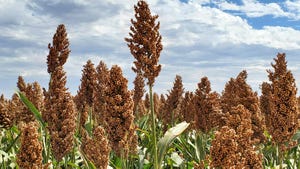
Herbicide resistant sorghum varieties could be on the market in 2012, according to researchers at Kansas State University....
By Donald Stotts, Oklahoma State University
Oklahoma’s cold winter weather has had wheat plants growing in slow motion, resulting in many being behind “normal” for this time of year in terms of reaching first hollow stem stage....
1 | 2 | 3 | 4 | 5 | 6 | 7 | 8 | 9 | 10 | 11 | 12 | 13 | 14 | 15 | 16 | 17 | 18 | 19 | 20 | 21 | 22 | 23 | 24 | 25 | 26 | 27 | 28 | 29 | 30 | 31 | 32 | 33 | Next
advertisement
This course covers a wide range of options to effectively control weeds in cotton and reduce the risk of weed resistance management. It is accredited for hours/units for licensed/accredited applicators in 7 U.S. Cotton Belt states (Florida, Georgia, New Mexico, Oklahoma, Texas, South Carolina an d Tennessee. CCA credit is pending).
Integration of a new mode of action compound like Coragen into IPM and IRM programs to control Lepidoptera in leafy greens, fruiting vegetables, peppers and brassica or cole crops is always welcome. This online CE accredited course details how best to use this new mode of action insecticide in intensive vegetable production. It is accredited by the Certified Crop Adviser (CCA) program and by state agencies for licensed applicators in Texas, Georgia, Florida, New Jersey and Pennsylvania.
Keeping crop protection chemicals on the crop for which they are intended has been a cornerstone of farming not only to protect neighboring crops, but to not waste money allowing products to drift off the intended target. This accredited online continuing education course covers the critical elements of spray drift management.
American agriculture exports 20 to 30 percent of its production annually. For specific commodities, the percentage is much higher. When recommending and applying pest management products for crops, license Pest Control Advisers (PCAs) and applicators and farmers must be aware of which products applied are in compliance with Maximum Residue Limits (MRLs) established by foreign customers. This CE course details the MRL issue and why compliance is critical to marketing into world trade.