
The Latest from Southwest Farm Press
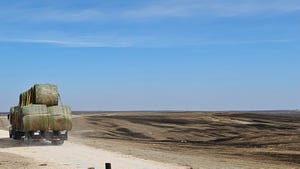
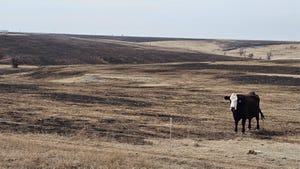
burned pasture, green 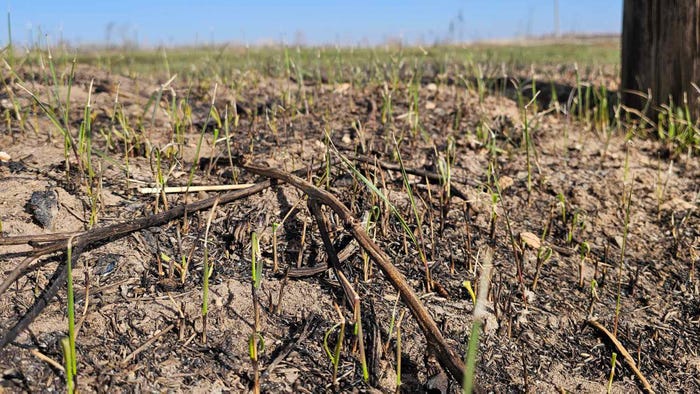
PastureBurned acreage recovering; more rain neededBurned acreage recovering; more rain needed
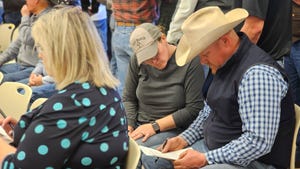
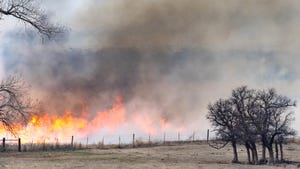
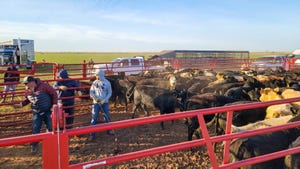
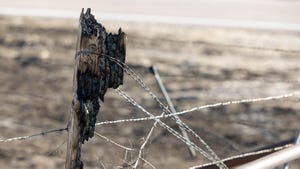
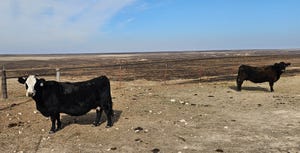
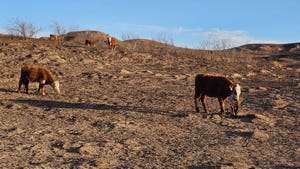
Pastures scorched by the Smokehouse Creek Fire are beginning to recover. Funds are available to assist Texas and Oklahoma producers impacted. Preparations continue for next week's beef conference.



Market Overview
| Contract | Last | Change | High | Low | Open | Last Trade |
|---|---|---|---|---|---|---|
| Jul 24 Corn | 443 | +6.75 | 443.5 | 436 | 436.75 | 06:19 PM |
| Jul 24 Oats | 349 | +3 | 349.75 | 341 | 346 | 06:19 PM |
| May 24 Class III Milk | 17.84 | +0.46 | 17.88 | 17.37 | 17.38 | 06:54 PM |
| Jul 24 Soybean | 1165.75 | +16.75 | 1168 | 1145.75 | 1148.25 | 06:19 PM |
| Aug 24 Feeder Cattle | 253.5 | -0.8 | 254.95 | 252.625 | 253.65 | 06:04 PM |
| May 24 Ethanol Futures | 2.161 | unch — | 2.161 | 2.161 | 0 | 06:16 PM |

Copyright © 2019. All market data is provided by Barchart Solutions.
Futures: at least 10 minute delayed. Information is provided ‘as is’ and solely for informational purposes, not for trading purposes or advice.
To see all exchange delays and terms of use, please see disclaimer.
All Southwest Farm Press













Current Conditions for
Boone, IA
51°F
Partly Sunny
Day 52º
Night 36º
22.34 mph
Enter a zip code to see the weather conditions for a different location.
Recommended


Aug 27 - Aug 29, 2024
Aug 27 - Aug 29, 2024
The nation’s largest outdoor farm event that annually hosts over 600 exhibitors from around the world.
LEARN MORESubscribe to receive top agriculture news
Be informed daily with these free e-newsletters