Wildfires, drought burning Texas agriculture

  • Wheat production could be one-third normal.
  • Conditions “bad and getting worse.”
  • Wildfires remain uncontained in some areas.


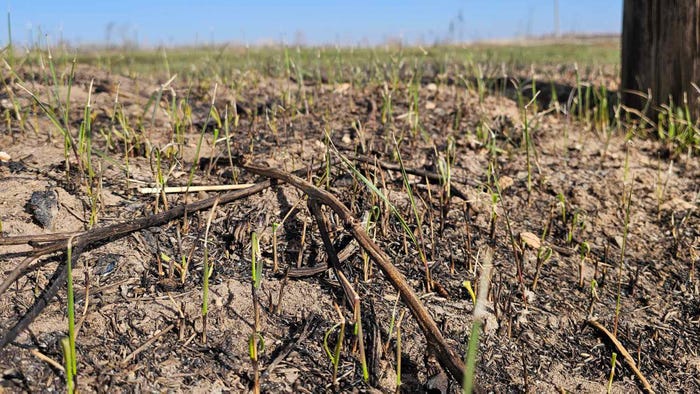
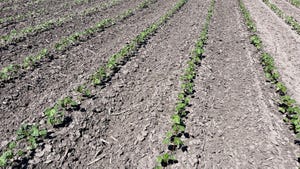
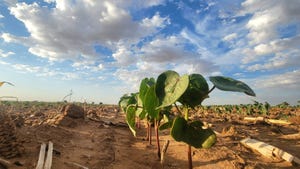
Wildfires continued to break out in many areas, but even without fires wheat farmers were feeling burned, according to Texas AgriLife Extension Service personnel.

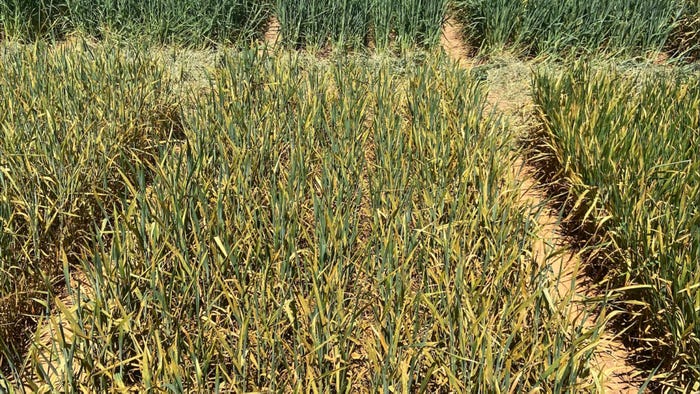
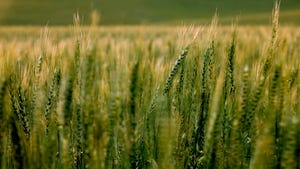
With dry conditions, heat and wind, the crop continues to deteriorate, according to Dr. Mark Welch, AgriLife Extension economist specializing in grain marketing and policy.

"It's bad and getting worse," Welch said. "It looks like the 2011 crop, in terms of production and yields, is going to look like the 2009 crop—perhaps even as bad as the 2006 crop—just disastrous wheat years in Texas."

This year's poor crop comes on the heels of a bumper crop in 2011. Also, wheat prices are at record highs, he said.

"This year’s crop condition ratings show about 40 percent of the Texas crop in very poor condition, which compares with 65 percent very poor in March of 2006 and 53 percent very poor in May of 2009," Welch said.

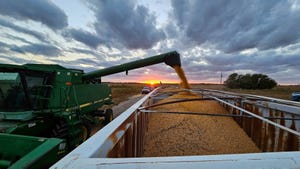
On an average year, Texas farmers will produce 100 million bushels of wheat, but this year it looks like it's going to be a third of that, he said.

Much but not all dryland wheat is at risk, though there are areas, such as the Winters area between San Angelo and Abilene, along U.S. Interstate 35 in Blacklands that "look pretty good," Welch said.

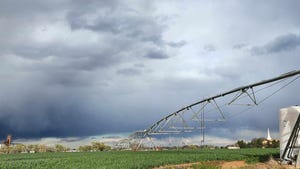
Irrigated wheat is a different story. In an average year, about 20 percent of Texas wheat crop is irrigated. The higher wheat prices should compensate the higher pumping costs irrigators are facing because of the drought.

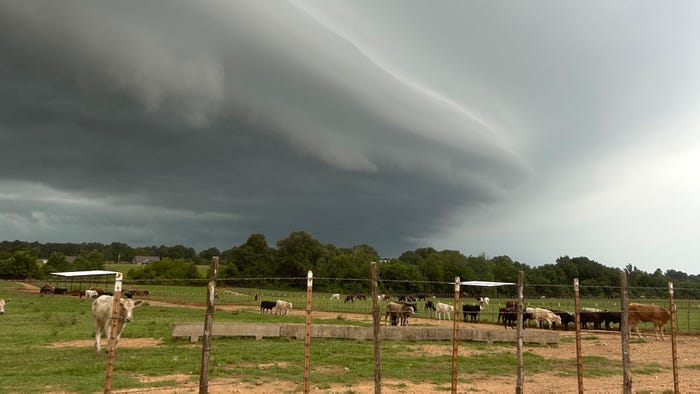
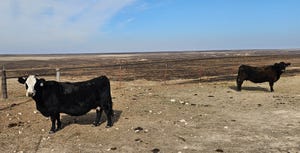
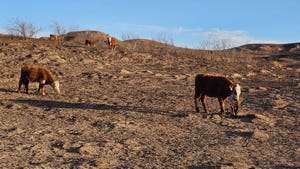
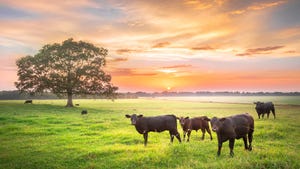
But in many areas farmers have given up on dryland wheat. Many have already accepted crop-insurance adjustments, according to reports from AgriLife Extension county agents. Where possible, farmers were putting cattle out on wheat, hoping to offset pasture and rangeland grazing lost to the drought or wildfires.

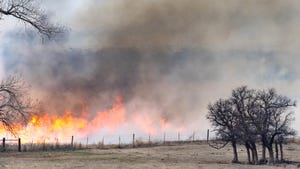
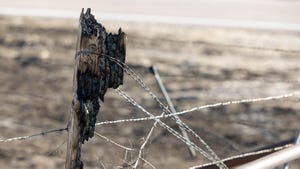
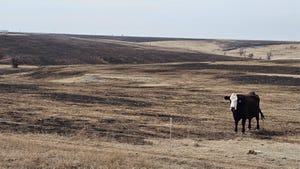
As of the morning of April 19, the Texas Forest Service reported 20 uncontained fires from previous days. The largest uncontained fire was in Stephens and Palo Pinto counties, estimated to have burned 147,000 acres to date. Other fires near Possum Kingdom Lake, Caddo and Strawn are smaller in acreage, but have burned 31 homes. Another 600 homes were at risk.

Of the state's 254 counties, 198 were under burn bans as of April 18, according to the Forest Service.

Discuss this article 2

What year of wheat crop are talking about in this story? Where in the Blacklands along I35 is the wheat "looking pretty good"?
I have wheat in Denton County, have zeroed out, and cows are harvesting the stems since the leaves have all dried off ..

By Johnny Torres (not verified)  on Apr 21, 2011

Sorry for the dealy in getting back to you. I've seen some fair wheat down around Waxahatchie and some good wheat north and east of Denton, around Greenville, Commerce, Leonard area.
I've also seen some train wrecks.

By rsmith  on Jun 3, 2011
Post new comment
Sign In or register to use your Southwest Farm Press ID
(optional)

Continuing Education Courses
New Course
The course details six of the primary diseases affecting citrus: Huanglongbing (Citrus...
Potassium nitrate has a positive effect in controlling plant pests and diseases when applied...
This online CE course details sound mechanical irrigation design and management practices to...
Farmer-to-Farmer Used Equipment