Toxic water concerns increasing for Southwest cattle; specialists urge monitoring

Producers should be watching for algae, bacteria problems around stock tanks, ponds

What is in this article?:

  • Toxic water concerns increasing for Southwest cattle; specialists urge monitoring
  • Anaplasmosis
  • Diseases and water toxins can develop quickly in stock tanks and ponds in the hot, dry conditions that have returned to the Southwest.
  • Texas AgriLife Extension cattle specialists say bacterial threats like leptospirosis and anaplasmosis and blue-green algae toxins can offer serious risks to animal welfare, often resulting in death.
  • “Basically it’s a combination of no rain and extreme heat," one says.  "Last year we lost a number of cattle to disease and toxin. It is a good time to starting checking water sources.”


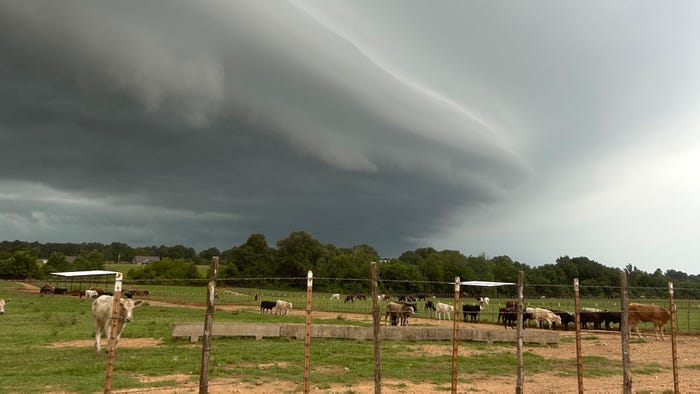
As triple digit temperatures rage across much of the Southwest this month, animal health officials are warning against diseases and water toxins that can develop quickly in stock tanks and ponds roasting beneath the sizzling sun.

Dr. Ted McCollum III, Texas AgriLife Extension cattle specialist in Amarillo, says bacterial threats like leptospirosis and anaplasmosis and blue-green algae toxins can return to ponds and stock tanks quickly in dry, hot weather and offer serious risks to animal welfare, often resulting in death.

“It is a risk that returns with the summer each year. Some years are worse than others, but basically it’s a combination of no rain and extreme heat. It’s not anything new and most livestock producers are aware of the dangers. Last year we lost a number of cattle to disease and toxin. It is a good time to starting checking water sources.”

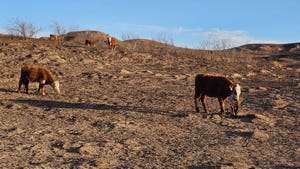
McCollum says just as important as safe drinking water, green forage is required to help keep cattle hydrated. While early spring rains helped forage crops, less rain and extreme heat in recent days is drying it out quickly.

“An average cow grazing green forage normally consumes about 30 to 70 pounds of water daily, or about 3.5 to 8.4 gallons, from the forage she grazes,” he said. “The lack of water from forage is more important than we credit.”

“How many people would think of going out to work for a few hours without a jug of water to drink from periodically? The water in the grazed forage is the cow’s ‘jug of water’ that rehydrates her while she is out on the range or pasture.”

McCollum says as green forage begins to dry under the summer sun, the importance of water tanks and ponds becomes more critical, but says heat stress can encourage bacterial and algae growth that threatens livestock. Risks include:

Leptospirosis

According to the Center for Disease Control, leptospirosisis a bacterial disease that affects humans and animals. It is caused by bacteria of the genus Leptospira. In humans, it can cause a wide range of symptoms, some of which may be mistaken for other diseases. Some infected persons, however, may have no symptoms at all. Without treatment, leptospirosis can lead to kidney damage, meningitis (inflammation of the membrane around the brain and spinal cord), liver failure, respiratory distress, and even death in both humans and animals.

Discuss this Article 2

James H Pritchett (not verified)
on Jun 27, 2012

I use a 100 Gallon automatic water tank for some cattle. I do see some green algae from time to time. My question: Is it sufficent just to clean the tank or should I do additional cleaning. Thanks, James

Logan Hawkes
on Jun 28, 2012

From what I understand James it depends on so many variables. If in doubt - and especially if you suspect your animals of looking or acting strange - you might want to consider testing for safety's sake. Your local vet could point you to area testing labs or you could go through your county agent. The A&M lab info is:
Soil, Water and Forage Testing Laboratory
2610 F&B Road
College Station, Texas 77845

You will need a testing kit and instructions on how to gather. But it may be worth it. Having said that, a good cleaning and even a treatment might put your worries to bed. I would yield to some one else with greater knowledge and experience on ths issue if any one else is listening (viewing the posts). In my limited experience, when the sun gets really hot and the rains fail to fall, it is time to start checking the tanks if they are looking weathered.

Post new comment
Sign In or register to use your Southwest Farm Press ID
(optional)

Continuing Education Courses
This CE course is accredited for hours in Texas, Oklahoma and New Mexico. The content focuses...
New Course
The 2,000 member Weed Science Society of America’s (WSSA) Herbicide Resistance Action...
New Course
The course details six of the primary diseases affecting citrus: Huanglongbing (Citrus...

Newsletter Signup