
The Latest from Southwest Farm Press
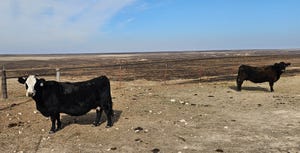
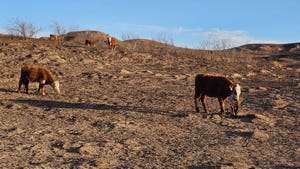
cattle grazing, Hugo, Okla.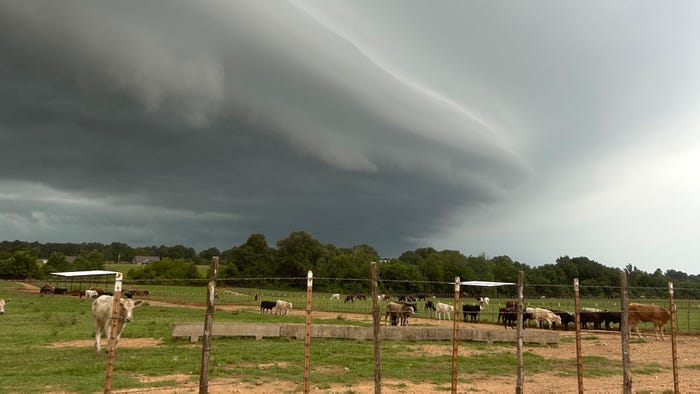
LivestockWhy NASS reports matter to farmers, ranchersWhy NASS reports matter to farmers, ranchers
USDA NASS's recent proposal to eliminate some data reports. Livestock and meat economists would consider some of the affected reports to be particularly important to market efficiency.



Market Overview
| Contract | Last | Change | High | Low | Open | Last Trade |
|---|---|---|---|---|---|---|
| Jul 24 Corn | 443.25 | +0.5 | 444 | 441.75 | 442.75 | 01:41 PM |
| May 24 Oats | 347 | +1 | 348.5 | 339.25 | 348.5 | 01:40 PM |
| May 24 Class III Milk | 17.04 | -0.27 | 17.29 | 16.99 | 17.25 | 01:41 PM |
| Jul 24 Soybean | 1163.5 | +3.5 | 1163.75 | 1156.75 | 1160.5 | 01:41 PM |
| Aug 24 Feeder Cattle | 251.875 | -0.475 | 252.825 | 251.425 | 251.975 | 01:41 PM |
| May 24 Ethanol Futures | 2.161 | unch — | 2.161 | 2.161 | 2.161 | 09:38 PM |

Copyright © 2019. All market data is provided by Barchart Solutions.
Futures: at least 10 minute delayed. Information is provided ‘as is’ and solely for informational purposes, not for trading purposes or advice.
To see all exchange delays and terms of use, please see disclaimer.
All Southwest Farm Press













Enter a zip code to see the weather conditions for a different location.
Recommended
Feb 22 - Feb 24, 2024
Feb 22 - Feb 24, 2024
The New York Farm Show is the leading farm show in the Northeast since 1985.
LEARN MORESubscribe to receive top agriculture news
Be informed daily with these free e-newsletters