Column: Administration must consider farm disasters of all kinds

May 18, 2006 9:16 AM, By Ron Smith

No one can predict when drought, hailstorms or wildfires will occur or what damage will accrue when they hit.

We applaud efforts to continue helping victims of Hurricane Katrina and Hurricane Rita. Folks affected by these devastating storms need assistance to bring their lives back to some semblance of normalcy. And for those who live along the Gulf Coast it may be years achieving any measure of routine.

And it is appropriate that farmers who lost crops, property and homes to these destructive storms receive emergency relief funds.

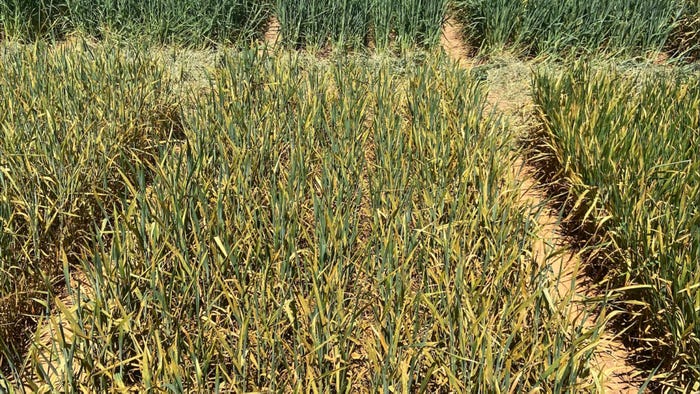
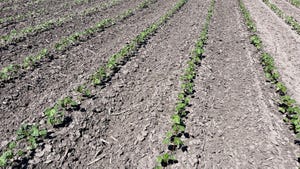
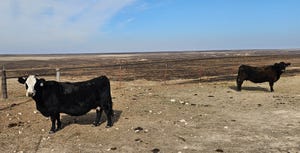
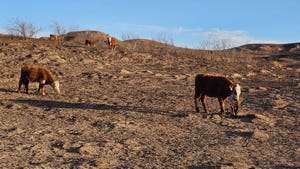
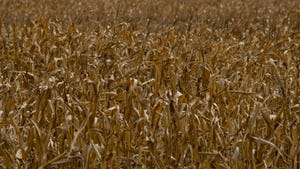
But those hurricanes were not the only natural disasters that affected farmers last year. Prolonged drought, especially in South Texas but also in parts of Central, West and High Plains, as well as in neighboring New Mexico and Oklahoma, caused enormous losses to crop and livestock producers. Texas will harvest its worst wheat crop ever this spring. A dry fall prevented timely planting and germination. Last year’s corn and grain crops, across most of the state, was a bust because of drought.

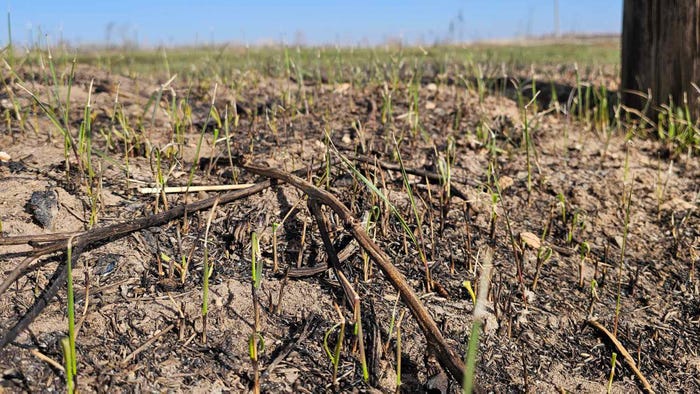
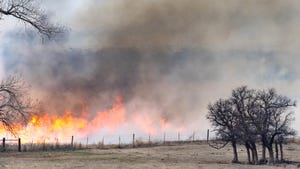
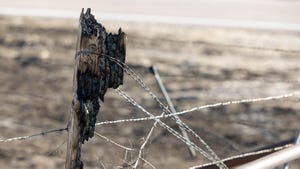
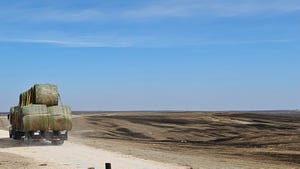
Add the devastating wildfires that raged across the Plains this spring and losses become extensive, in some cases bad enough to force producers out of business.

Disaster legislation making its way through Congress would include those areas in relief efforts, as it should. But President Bush, citing an original intent of the Farm Security and Rural Investment Act of 2002 as eliminating ad hoc emergency funding for agriculture, says he’ll veto the bill if agricultural relief is included.

The administration also cites good yields from the 2005 crop as cause to deny disaster relief.

We can’t argue that some farmers made exceptionally good yields last year. The High Plains cotton crop was exceptional, the best on record. But farmers in South Texas and in isolated pockets across the state suffered and continue to suffer extreme drought conditions. Many made very little cotton in 2005 and have little reason to expect much from 2006, based on early growing conditions. Similar conditions exist in other Southwestern locations. Rain, as they say, falls on the just and the unjust. Well it also fails to fall on the good as well as the bad.

We can argue that the timing of the rains that favored cotton were not so favorable for grain crops, including the 2005-2006 wheat crop, which will be a near failure throughout most of the region.

We’ll also claim that any farm bill ever made into law lacks enough prophetic power to foresee future calamities. And it makes good sense, economically, to maintain enough flexibility to take care of disasters. No one can predict when drought, hailstorms or wildfires will occur or what damage will accrue when they hit. And a wise Congress should be flexible enough and astute enough to understand that funds allocated to helping farmers and ranchers begin the process of rebuilding is a wise investment in the country’s ability to feed and clothe itself.

And legislators must also understand the role agriculture plays in maintaining this country’s national security because we certainly can’t aspire to that goal if we cannot provide adequate nutrition to citizens.

Congress, apparently, understands what’s at stake. The administration, apparently, does not.

e-mail: rsmith@farmpress.com

Get Copyright ClearanceWant to use this article? Click here for options!
© 2009 Penton Media, Inc.


Latest Jobs

resources

events icon events

product info icon tradeshows

tradeshow icon digests

research icon photos

Continuing Education

Accredited in Florida, Georgia, New Mexico, Oklahoma, Texas, South Carolina and Tennessee:


(New Course)
Weed Resistance Management in Cotton

This course covers a wide range of options to effectively control weeds in cotton and reduce the risk of weed resistance management. It is accredited for hours/units for licensed/accredited applicators in 7 U.S. Cotton Belt states (Florida, Georgia, New Mexico, Oklahoma, Texas, South Carolina an d Tennessee. CCA credit is pending).

(New Course)
New Mode of Action Chemistry for Vegetable Production

Integration of a new mode of action compound like Coragen into IPM and IRM programs to control Lepidoptera in leafy greens, fruiting vegetables, peppers and brassica or cole crops is always welcome. This online CE accredited course details how best to use this new mode of action insecticide in intensive vegetable production. It is accredited by the Certified Crop Adviser (CCA) program and by state agencies for licensed applicators in Texas, Georgia, Florida, New Jersey and Pennsylvania.

This course is accredited in Texas, Oklahoma, New Mexico, Virginia, West Virginia and Wyoming as well as for CCA credits:

(New Course)
Spray Drift Management

Keeping crop protection chemicals on the crop for which they are intended has been a cornerstone of farming not only to protect neighboring crops, but to not waste money allowing products to drift off the intended target. This accredited online continuing education course covers the critical elements of spray drift management.

Back to Top

Browse Print Issues

Additional Resources

subscribe to Farm Press Daily Delta Farm Press Southeastt Farm Press Western Farm Press