Wildfires cost Texas agriculture $35 million

May 6, 2009 10:45 AM

Commissioner Staples petitions Washington for relief funds, disaster designation

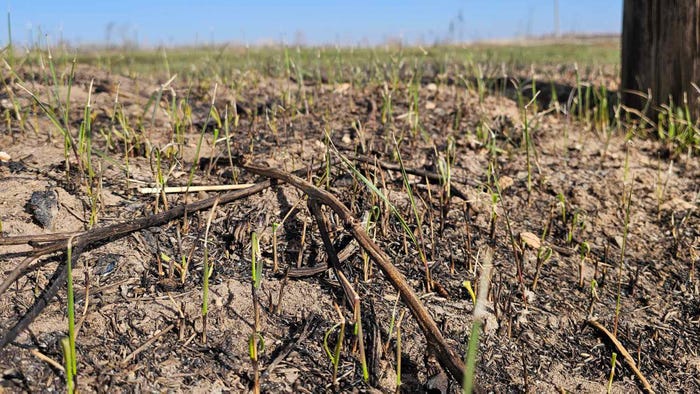
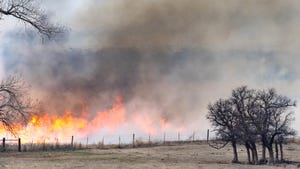
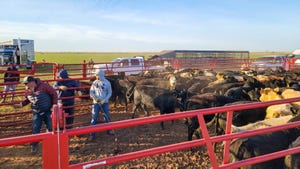
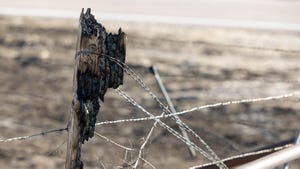
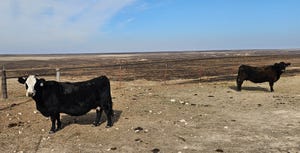
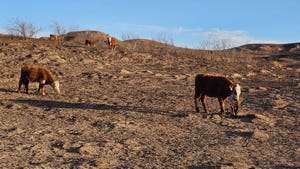
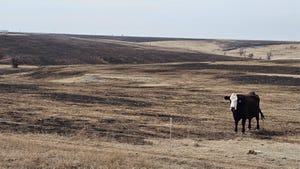
With wildfires costing Texas agricultural producers about $35 million during March and April, Agriculture Commissioner Todd Staples is requesting assistance from USDA. Sweeping North Texas wildfires over Easter weekend and recent weeks contributed to losses estimated at more than 220,000 acres of pasture, roughly 1,500 miles of fence and almost 500 cattle and calves.

“Wildfires, hurricanes, drought and an economic downturn are hitting Texas producers hard,” Commissioner Staples said. “Texas farmers and ranchers are a resilient bunch, but when disaster strikes it is essential to provide the assistance necessary for recovery, which is why I am requesting Secretary Vilsack take certain actions.”

In a letter to USDA Secretary Tom Vilsack, Commissioner Staples requests that the secretarial disaster designation process for 18 North Texas counties be initiated immediately and seeks relief funding from the USDA Emergency Conservation Program. Commissioner Staples also asks for acreage in these counties and in neighboring counties enrolled in the USDA Conservation Reserve Program to be opened for haying and grazing.

“These resources are needed to enable livestock to return, and also will allow farm and ranch land ravaged by these fires to be rehabilitated and placed back in production,” Commissioner Staples said.

More about North Texas wildfires

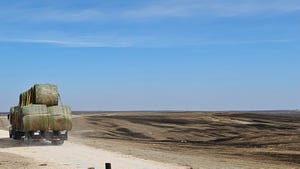
Dry conditions from drought make pastureland susceptible to wildfires, and wind can carry a blaze for days before it runs out of fuel. In March and April of this year, wildfires swept across North Texas. Dr. David Anderson of Texas A&M University estimates pasture losses at $2,221,230, fence replacement at $31,891,200 and cattle and calves losses at $329,700.

“Wildfires have three major effects on livestock producers: lost cattle, lost pasture grazing, and destroyed fences and buildings,” Dr. Anderson said. “Destroyed fences are the largest portion of the financial losses due to fire.”

Replacing fences is an extremely expensive, long-term and capital-intensive cost, Dr. Anderson said: “Those expenses carry on for a long time through increased debt to pay for them.”

Pasture can recover with some timely rains, Dr. Anderson said, but near-term grazing is lost requiring producers to buy more feed, find and lease other pastures or sell cattle and calves.

Producers are encouraged to take advantage of the Texas Department of Agriculture’s Hay Hotline. The hotline is a great resource for those who have extra hay to sell or a pasture to lease, and for those who need hay.

A Disaster Resource Information Packet is also available and provides pertinent contact information for state, federal and private agricultural disaster assistance programs. Information on both resources can be found at Texas Department of Agriculture.

Get Copyright ClearanceWant to use this article? Click here for options!
© 2009 Penton Media, Inc.


Latest Jobs

Subscribe to RSS headline updates from:
Powered by FeedBurner

Continuing Education

Accredited in Florida, Georgia, New Mexico, Oklahoma, Texas, South Carolina and Tennessee:


(New Course)
Weed Resistance Management in Cotton

This course covers a wide range of options to effectively control weeds in cotton and reduce the risk of weed resistance management. It is accredited for hours/units for licensed/accredited applicators in 7 U.S. Cotton Belt states (Florida, Georgia, New Mexico, Oklahoma, Texas, South Carolina an d Tennessee. CCA credit is pending).

(New Course)
New Mode of Action Chemistry for Vegetable Production

Integration of a new mode of action compound like Coragen into IPM and IRM programs to control Lepidoptera in leafy greens, fruiting vegetables, peppers and brassica or cole crops is always welcome. This online CE accredited course details how best to use this new mode of action insecticide in intensive vegetable production. It is accredited by the Certified Crop Adviser (CCA) program and by state agencies for licensed applicators in Texas, Georgia, Florida, New Jersey and Pennsylvania.

This course is accredited in Texas, Oklahoma, New Mexico, Virginia, West Virginia and Wyoming as well as for CCA credits:

(New Course)
Spray Drift Management

Keeping crop protection chemicals on the crop for which they are intended has been a cornerstone of farming not only to protect neighboring crops, but to not waste money allowing products to drift off the intended target. This accredited online continuing education course covers the critical elements of spray drift management.

Top 10 Articles of 2008

Back to Top

Browse Print Issues

Additional Resources

subscribe to Farm Press Daily Delta Farm Press Southeastt Farm Press Western Farm Press