Will there be a peanut shortage by next spring?

What is in this article?:

  • Weather in the last 40 days of the 2011 crop season will have a partial answer to the peanut supply question, but the big answer may come from the final tally on the 2010 crop.
  • If peanut growers are looking for high prices for their peanuts, the 2011 and likely the 2012 crop may be the most valuable on record.
  • On the other hand, getting supply and demand so far out of kilter gives these crops the potential to be the most destructive on record to the entire peanut industry.

Late rainfall the key

“If we get decent moisture in the last 40 days of the crop, we could have a decent yield year and good crop quality. If we don’t get the needed moisture, it could be a disaster, especially in quality,” Chapin says.

Dry harvest time weather, combined with an already dry growing season, could be a bad recipe for aflatoxin again in 2011.

Leek uses the analogy of having a cut on ones hand. “If you keep the cut clean and keep the skin around the cut well treated with an antiseptic, the chances of getting an infection are low. With peanuts, if you can keep insects from poking feeding holes in the pods and leaf feeding insects from destroying peanut foliage, the risks to aflatoxin infection is low,” he says

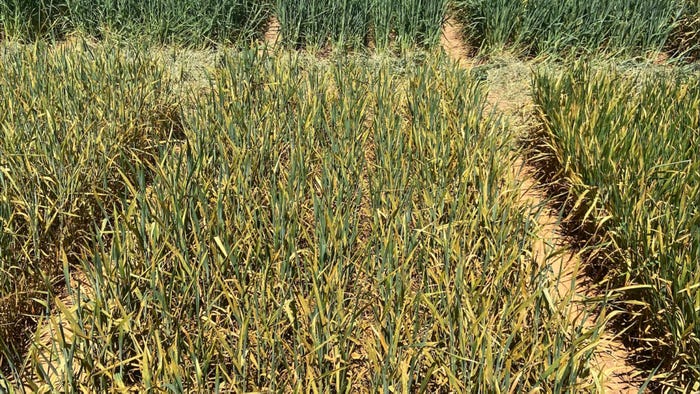
Unfortunately, lack of water and high soil temperatures put peanuts in high risk of white mold, burrowing bugs, and a number of other pests and diseases that can stress the peanut plant and open it up to the fungi that causes aflatoxin.

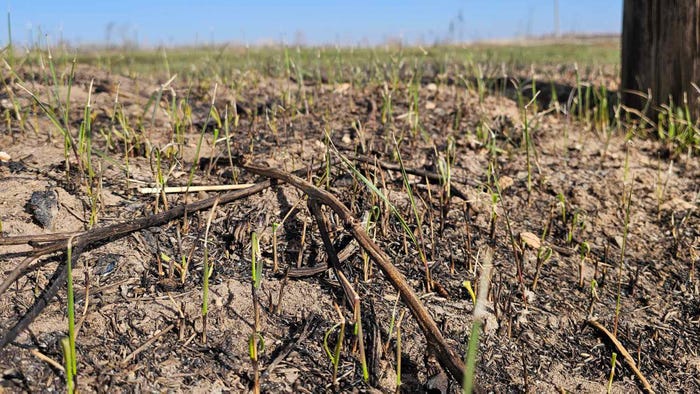
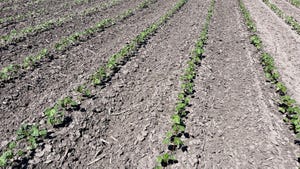
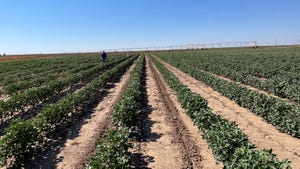
Especially in the Southeast, and in some areas of the Virginia-Carolina peanut belt, high temperatures and drought have plagued the 2011 crop from the start. In many areas, peanut planting was pushed back, and even under the best of pod production environments, late planting is typically a bad deal for peanut yield and quality.

In 2009, the peanut industry was hit by tidal wave of bad publicity because of an outbreak of salmonella from peanut-containing products. Bad as the salmonella outbreak was, the peanut industry took its shots, regrouped and did a phenomenal job of mending fences and rebuilding markets.

In less than two years, The National Peanut Board, state and regional peanut organizations, even efforts by individual peanut growers has restored confidence in peanut products and the market is rebounding nicely.

Demand for peanut butter has steadily grown since the salmonella crisis and demand has increased at a slower pace for other peanut-containing products.

The recession played a role in the renewed culinary interest in peanuts, as more and more American families looked for lower cost, high protein food sources.

While safety and protein value of peanuts continues to climb, the lower cost component of growth could take a severe hit, if shortages in supply and good demand, push peanut prices above sustainable levels.

Virtually everyone in the peanut industry agrees that prices pushing $1,000 per ton aren’t sustainable. Reality is a shortage in peanuts, especially edible peanuts, would push peanut prices further toward unsustainable levels.

Unfortunately land prices, fertilizer, and other input costs traditionally follow high crop prices. When commodity prices fall, input costs are often slow to follow suit.

If there is a shortage of peanuts prior to the 2012 season, high prices could undo a lot of hard work and innovative work done by a number of professionals charged with building peanut product markets.

rroberson@farmpress.com

Discuss this Article 0

Post new comment
Sign In or register to use your Southwest Farm Press ID
(optional)

Continuing Education Courses
This CE course is accredited for hours in Texas, Oklahoma and New Mexico. The content focuses...
New Course
The 2,000 member Weed Science Society of America’s (WSSA) Herbicide Resistance Action...
New Course
The course details six of the primary diseases affecting citrus: Huanglongbing (Citrus...

Newsletter Signup