“Cry havoc and let slip the hogs of war”

What is in this article?:

  • Let slip the “hogs” of war.
  • Feral swine are growing in numbers radically.
  • Swine populations have been estimated to exceed two million and cause an estimated $59 million annually in damages to private and public land just in Texas.

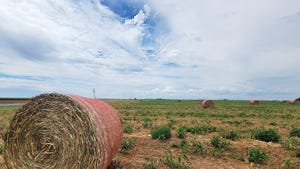
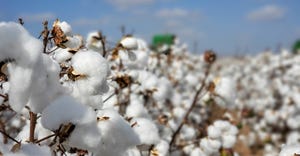
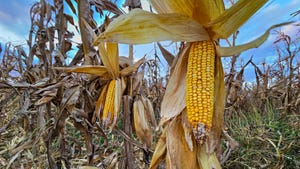
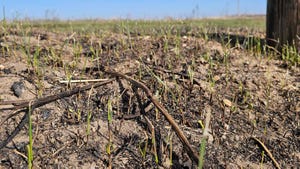
Feral hogs are causing heavy damage to Southwest cropland and pastures.

(Texas A&M AgriLife Extension Service photo by Jared Timmons)

When Shakespeare penned his now famous Julius Caesar in 1599, he knew very little about the New World and what strange creatures may have roamed its regions. But Russian boars and wild nefarious hogs did trample the English countryside at the time, though his famous “Cry Havoc and let loose the dogs of war” phrase gleaned from the pages of the play had nothing to do with swine or the Americas.

But 400 years later there’s an outcry all across the New World about feral swine that are growing in numbers radically, as is the damage and trouble they are causing on farms and ranches in at least 38 of the 50 states.

The feral swine problem is arguably worse in Texas than in other states; in the Lone Star State feral swine populations have been estimated to exceed two million and cause an estimated $59 million in damages to private and public land each year ($1.5 billion nationwide). And worse, both population numbers and the amount of damage are growing every year.

According to Texas A&M officials, feral hogs are opportunistic omnivores, meaning they feed on plant and animal matter in addition to being able to play the role of a scavenger. They are largely indiscriminant in their feeding habits and eat both vertebrate and invertebrate animals. Most of their diet is believed to be composed of vegetation, including crops. Small hogs may eat approximately five percent of their body weight daily — larger hogs an estimated three percent of body weight.

In addition to destroying crop land, they are notorious for wallowing-out watering holes, which may cause other animals to avoid these areas. During times of drought, however, all animals are often obliged to water from these areas. Infected pigs can spread parasites and diseases through both direct contact and by contaminating drinking water.

In addition, the feral hog population is a potential reservoir for numerous diseases and parasites that threaten livestock and deer. Feral pig populations are known to harbor diseases and parasites which can easily be transmitted to these species.

In Texas, and other states plagued the most by large feral swine populations, notably California and Florida, millions in public and private funds have been spent through the years in an effort to manage the problem. But as the problem escalates, so does the need for greater resources to fight them.

Discuss this Article 1

rellis
on Feb 26, 2013

Very informative article. My brother and I have the aerial eradication equipment and are looking for farmers in Florida with a feral hog problem that need help.

Post new comment
Sign In or register to use your Southwest Farm Press ID
(optional)

Continuing Education Courses
This CE course is accredited for hours in Texas, Oklahoma and New Mexico. The content focuses...
New Course
The 2,000 member Weed Science Society of America’s (WSSA) Herbicide Resistance Action...
New Course
The course details six of the primary diseases affecting citrus: Huanglongbing (Citrus...

Newsletter Signup