Mar 16, 2010 11:05 AM, By Ron Smith, Farm Press Editorial Staff

Well the world economy is at least reverting back to a flat trend following a hard dip the last few years into negative realms....
Feb 23, 2010 12:15 PM, By Elton Robinson, Farm Press Editorial Staff
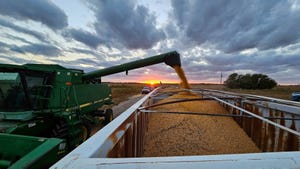
Lower world cotton production and higher world consumption in 2009-10 has reduced world cotton stocks and contributed to the A-Index exceeding 80 cents in mid-February, according to a world and U.S. cotton outlook presented at USDA’s Agricultural Outlook Forum 2010 in Arlington, Va....
Feb 19, 2010 8:22 AM, By Kay Ledbetter, Texas A&M University
Farmers have to deal with varying weather conditions, but few know how to build that experience into a marketing plan. ...
Feb 1, 2010 10:57 AM, By Daryll E. Ray, Agricultural Policy Analysis Center, University of Tennessee, Knoxville, TN
It would not be a stretch to assert that Chinese imports have driven the recent growth in soybean production and exports by the US, Brazil, and Argentina. ...
Nov 17, 2009 11:37 AM, By Forrest Laws, Farm Press Editorial Staff
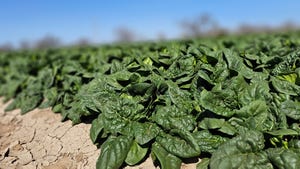
2008 was a heady year for Pat Westhoff and other analysts at the University of Missouri’s Food and Agricultural Policy Research Institute....
Nov 13, 2009 11:23 AM, By Elton Robinson, Farm Press Editorial Staff
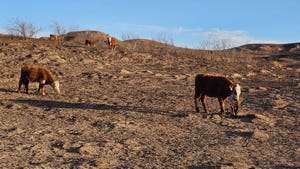
Cotton futures broke out of a month-long trading range and surged to the highest level in over a year on November 11 on spec trading. ...
Oct 15, 2009 10:51 AM, By Elton Robinson, Farm Press Editorial Staff

Extremes of weather throughout the growing and harvest seasons have prompted USDA to lower projections for the 2009 U.S. cotton crop. ...
News from the Farm BillACRE could be boon or bust for southern farmersJul 11, 2008 10:01 AM, By Forrest Laws The chairmen of the House and the Senate Agriculture Committees and the Bush administration couldn’t find much to agree on in the 2008 farm bill. ... Farm bill: Several provisions delayed until 2009Jul 8, 2008 9:38 AM The Food, Conservation and Energy Act of 2008 that U.S. farmers will be hitched to for the next five years has something old, something new, something borrowed and certainly something to make a few farmers blue.... USDA issues advance direct paymentsJul 8, 2008 9:21 AM America's farmers will receive up to $1.15 billion in 2008 advance direct payments that began July 7.... |
advertisement |
advertisement
This course covers a wide range of options to effectively control weeds in cotton and reduce the risk of weed resistance management. It is accredited for hours/units for licensed/accredited applicators in 7 U.S. Cotton Belt states (Florida, Georgia, New Mexico, Oklahoma, Texas, South Carolina an d Tennessee. CCA credit is pending).
Integration of a new mode of action compound like Coragen into IPM and IRM programs to control Lepidoptera in leafy greens, fruiting vegetables, peppers and brassica or cole crops is always welcome. This online CE accredited course details how best to use this new mode of action insecticide in intensive vegetable production. It is accredited by the Certified Crop Adviser (CCA) program and by state agencies for licensed applicators in Texas, Georgia, Florida, New Jersey and Pennsylvania.
Keeping crop protection chemicals on the crop for which they are intended has been a cornerstone of farming not only to protect neighboring crops, but to not waste money allowing products to drift off the intended target. This accredited online continuing education course covers the critical elements of spray drift management.
American agriculture exports 20 to 30 percent of its production annually. For specific commodities, the percentage is much higher. When recommending and applying pest management products for crops, license Pest Control Advisers (PCAs) and applicators and farmers must be aware of which products applied are in compliance with Maximum Residue Limits (MRLs) established by foreign customers. This CE course details the MRL issue and why compliance is critical to marketing into world trade.