Texas Farm Bureau speaks out against Trans-Texas Corridor

Mar 30, 2007 10:40 AM

While many strides were made in the previous legislative session in regards to Trans-Texas Corridor (TTC), farmers and ranchers feel there are still concerns to address, a Texas Farm Bureau representative told state senators in a transportation committee meeting recently.

“We believe the impact of the TTC will be devastating to the agriculture industry and to rural communities,” McLennan County Farm Bureau President Marc Scott said at the Austin hearing.

The lack of access due to the division of family farms and ranches, the massive condemnation proceedings that would trail in the wake of corridor approval and the usage of regional water resources for the construction were all among concerns Scott raised before the committee.

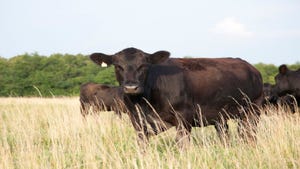
“As a personal note, the 1,700 acres that I produce on are all within the footprint of the proposed TTC,” Scott, a cow/calf and hay producer, said. “So this issue is very near and dear to my heart. My livelihood depends on the outcome of the TTC.”

Scott said Texas Farm Bureau is urging lawmakers to use existing rights-of-way whenever new road or highway construction is under consideration, provide access points for landowners divided by roadways and ensure FM roads would not be spliced by highways.

The state’s largest family farm organization is also pressing state reforms on eminent domain law, urging lawmakers to consider relocation costs for families affected by something as large as the corridor, as well as good faith offers on the land’s best and highest use whenever condemnation proceedings take place.

Scott said farmers and ranchers whose land is targeted by the proposed TTC feel strongly that many landowner concerns have not been adequately addressed.

“The delegate body of the Texas Farm Bureau has voted overwhelming to continue to oppose the TTC,” Scott said. “Our county leaders have spent four years studying this project and attending public meetings held in counties throughout the state. While we readily admit that many changes have occurred to lessen the sting of the corridor, there are still more issues that need to be resolved.”

Get Copyright ClearanceWant to use this article? Click here for options!
© 2009 Penton Media, Inc.


Latest Jobs

resources

events icon events

product info icon tradeshows

tradeshow icon digests

research icon photos

Continuing Education

Accredited in Florida, Georgia, New Mexico, Oklahoma, Texas, South Carolina and Tennessee:


(New Course)
Weed Resistance Management in Cotton

This course covers a wide range of options to effectively control weeds in cotton and reduce the risk of weed resistance management. It is accredited for hours/units for licensed/accredited applicators in 7 U.S. Cotton Belt states (Florida, Georgia, New Mexico, Oklahoma, Texas, South Carolina an d Tennessee. CCA credit is pending).

(New Course)
New Mode of Action Chemistry for Vegetable Production

Integration of a new mode of action compound like Coragen into IPM and IRM programs to control Lepidoptera in leafy greens, fruiting vegetables, peppers and brassica or cole crops is always welcome. This online CE accredited course details how best to use this new mode of action insecticide in intensive vegetable production. It is accredited by the Certified Crop Adviser (CCA) program and by state agencies for licensed applicators in Texas, Georgia, Florida, New Jersey and Pennsylvania.

This course is accredited in Texas, Oklahoma, New Mexico, Virginia, West Virginia and Wyoming as well as for CCA credits:

(New Course)
Spray Drift Management

Keeping crop protection chemicals on the crop for which they are intended has been a cornerstone of farming not only to protect neighboring crops, but to not waste money allowing products to drift off the intended target. This accredited online continuing education course covers the critical elements of spray drift management.

Back to Top

Browse Print Issues

Additional Resources

subscribe to Farm Press Daily Delta Farm Press Southeastt Farm Press Western Farm Press